From a passive house windows supplier: the glass, frames and installation that make a window passive, the benefits to the owner, and Cortizo, Schüco and Reynaers side by side, with Marvin and Pella.
A passive house is a building designed to need very little energy for heating and cooling, and to be comfortable in every room in every season. It gets there with insulation, airtightness, controlled ventilation and, more than any other single component, its windows and doors. This article explains what passive house windows and doors are, what they do for the house and its owner, which products exist, and how the systems from Cortizo, Schüco and Reynaers compare, with a look at what Marvin and Pella offer. We write it as a passive house windows supplier serving New York City and New Jersey.
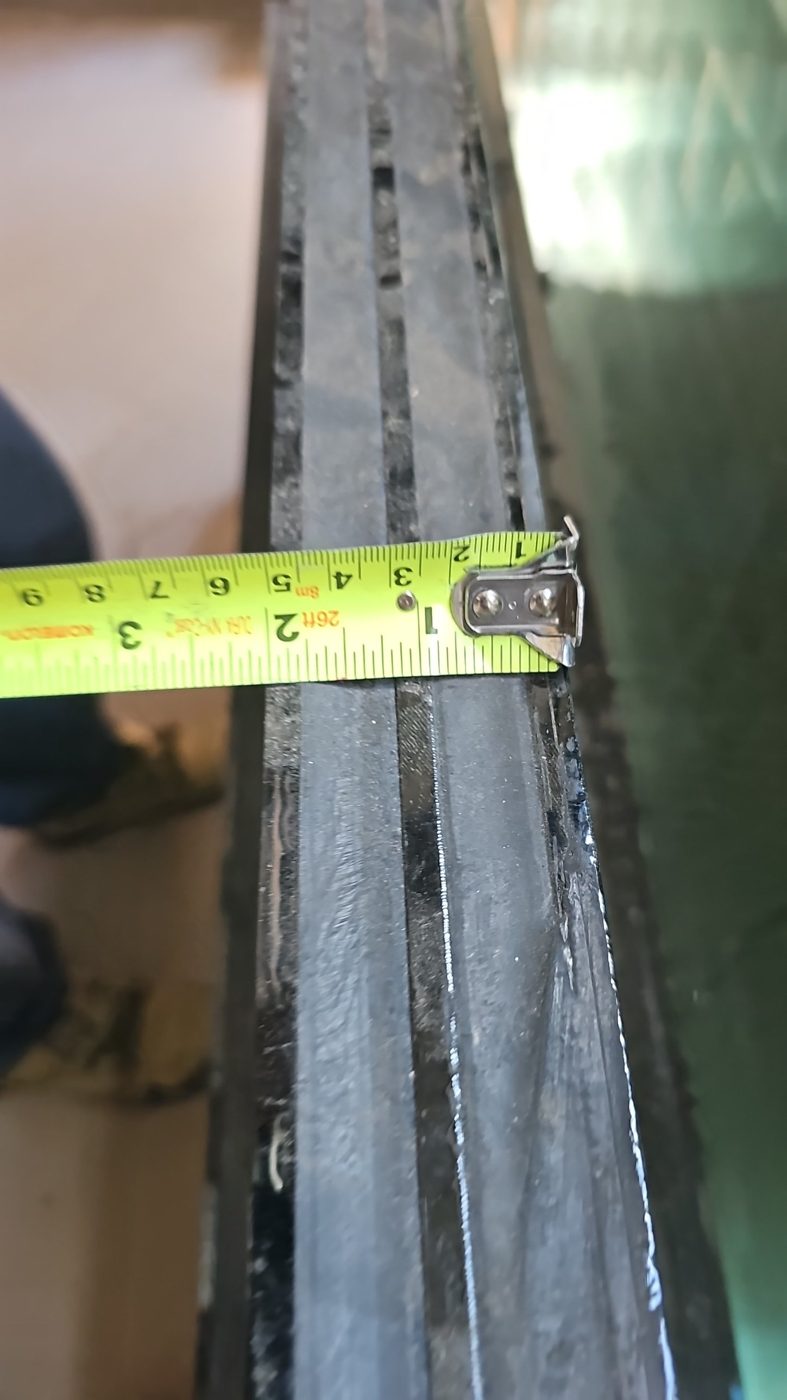
There is no special shape or brand. A passive house window is an ordinary-looking window that meets a much higher performance level than the building code asks for. Five things together get it there.
The usual target is a whole-window U-value of about 0.80 W/m²K, roughly 0.14 in the units used on American labels, for a climate like New York’s. That is less than half the heat loss of a good code-compliant double-glazed window.
Two organizations certify passive buildings, and each also lists window products.
A building can be certified without every window holding a certificate, because the building is judged on its overall energy model. But certified products come with verified numbers, which makes the consultant’s job simpler and the result more predictable.
Sliding windows and traditional double-hungs are rarely used, because sashes that slide past brush seals cannot be made airtight enough. Frames come in aluminum, uPVC, wood, aluminum-clad wood and fiberglass.
Cortizo, the Spanish manufacturer whose systems we supply and fabricate, has several windows certified by the Passive House Institute. The aluminum one is the COR 80 Industrial Passivhaus: an 80 mm frame with a 45 mm thermal break and foam inserts in frame and sash, glazing up to 65 mm thick for triple units, and tilt-and-turn, side-hung, bottom-hung and tilt-and-slide operation. Cortizo quotes whole-window values from 0.66 W/m²K with the best glass and sound reduction up to 46 dB. Its PHI certificate is for the warm, temperate climate zone.
In uPVC, Cortizo’s A 84 Passivhaus is certified in the same zone and is the economical route for multifamily buildings. Cortizo also makes the lift-and-slide doors and curtain wall that complete a package. See our Cortizo page.
Schüco, from Germany, is the reference brand in European aluminum. Its passive window is the AWS 90.SI+, a 90 mm system with foam-filled insulating bars, an insulated centre gasket and insulated glazing rebate, certified by the Passive House Institute. Schüco quotes about 0.8 W/m²K for the whole window with standard triple glazing. The family includes a concealed-sash version, matching doors and facade systems, and Schüco also has certified uPVC windows. It is typically the most expensive of the three and is specified on high-end and institutional projects. Schüco is sold through its own network of fabricators; ask us about sourcing for your project.
Reynaers, from Belgium, offers the MasterLine 10, a deep aluminum window and door system that is Passive House certified, with options such as concealed hinges, concealed drainage and glass-to-glass corners. It belongs to the MasterLine family, so a project can combine the passive-level windows with Reynaers sliding doors and curtain wall in the same design language. Reynaers suits projects where slim, minimal detailing matters as much as the numbers. See our Reynaers page.
| Cortizo | Schüco | Reynaers | |
|---|---|---|---|
| Passive aluminum window | COR 80 Industrial Passivhaus | AWS 90.SI+ | MasterLine 10 |
| Frame depth | 80 mm | 90 mm | Deep section; see system data |
| Certification | Passive House Institute | Passive House Institute | Passive House certified |
| Also available | uPVC (A 84 Passivhaus), sliding doors, curtain wall | uPVC, doors, facades | Sliding doors, curtain wall |
| Positioning | Strong value | Premium | Design-led |
| Through Alex GC | Yes | Ask | Yes |
All three are tilt-and-turn systems with triple glazing and three gaskets. The differences that matter on a real job are price, lead time, the sizes each system can carry and local support.
Both American manufacturers have passive-level products, certified through Phius, not PHI.
The practical difference: American passive options are mostly casement, awning and fixed windows in wood, clad wood, fiberglass and vinyl, with familiar looks and domestic lead times. The European systems are tilt-and-turn in aluminum or uPVC, with larger sizes and generally lower U-values. A traditional townhouse may be better served by Marvin or Pella; a modern building or large openings by Cortizo, Reynaers or Schüco.
We supply and fabricate Cortizo and Reynaers systems and supply Pella and Marvin, so the recommendation follows the building. We provide the performance data the consultant needs for the energy model, shop drawings showing the installation position and air-barrier connection, triple glazing chosen by elevation, and installation by our crews or supply to yours with the details and materials. Tell us early which standard the project is following, PHI or Phius, and who the consultant is. For how these orders are scheduled, see when to order windows.
A window that meets passive house performance levels: triple glazing, an insulated frame, a warm-edge spacer and airtight seals, with a whole-window U-value of about 0.80 W/m²K (roughly 0.14 in US units) for a climate like New York’s.
Yes. Most are tilt-and-turn, and they can be opened whenever you like. The heat-recovery ventilation system supplies fresh air when they are closed.
They cost more than standard windows. In return the owner gets even temperatures, no condensation, much less noise and very low heating and cooling bills, and they are what makes a passive house design work.
Among European aluminum systems, Cortizo (COR 80 Industrial Passivhaus), Schüco (AWS 90.SI+) and Reynaers (MasterLine 10). Among American brands, Pella and Marvin have Phius-certified triple-pane products.
Yes. Both have products certified by Phius, the US passive house organization, mainly triple-pane casement, awning and fixed windows. Check the current certified list for the exact product.
PHI is the international Passive House Institute in Germany; Phius is the US organization with its own standard. Each certifies buildings and lists window products. European systems usually carry PHI certificates and American ones Phius.
Yes. They improve comfort, quiet and energy use in any building, although the full saving comes when the walls, airtightness and ventilation are designed to match.
Triple Glass Triple-Pane Windows NYC Tilt-and-Turn Windows Cortizo Reynaers Lift and Slide Doors Direct Window Supplier All News
About this page. Written by Alex GC Inc. d/b/a Alex Glass Construction and reviewed before publication by Aleksandr Chernovolenko, Managing Partner, with our design and estimating lead and a field foreman. Our foremen hold the NYC DOB Site Safety Training supervisor card and our crews the 40-hour worker card; we are certified to fabricate, install and service Alutech and Everest aluminum systems. Facts are drawn from our own projects, manufacturer test data and the applicable codes; where we are giving an opinion, we say so. Last reviewed September 2026. Credentials
Send the drawings or window schedule and tell us which standard the project follows. We will propose the system, glass and installation detail, and quote it.