Mid-November and still mild. Use it: new batteries in the detectors, thermostats and locks; the boiler serviced; and every window and door checked, latched, sealed and adjusted while the sealant still cures and the trades still answer the phone.
In short: This week is mild for the middle of November, and that is the week to use. Once the first hard cold arrives, every drafty door and sweating window in the city gets noticed on the same day and every service calendar fills at once. Before that happens: change the batteries in the smoke and carbon monoxide detectors, the thermostats and the keypad locks; have the boiler serviced if it was not done this fall; and walk the building with a hand on every window and door, because the gap you can feel now at 55 degrees is the one that will cost you at 20. Below is the list we go through on our own properties and on the buildings we maintain, in the order it is worth doing it.
Sealants, weatherstripping and door hardware are all easier to work on warm. Silicone cures properly above 40 degrees; below that, a bead that looks fine today skins over and never bonds. A sliding door track or a casement hinge that is adjusted now moves freely in January; one that is left stiff until the frame has shrunk in the cold will be forced, and forced hardware breaks. And the trades are available: a boiler technician in November comes this week, a boiler technician on the first below-freezing morning comes when he can. The same is true for us. We would rather tune a door closer in a warm week than replace a cracked one in a cold one.
Put a date on each new battery with a marker. Next November you will know which ones are due without guessing.
If the boiler has not had its annual service this year, book it this week. Annual maintenance is a cleaning and combustion check, a look at the safety controls, the relief valve, the low-water cutoff on a steam boiler, the expansion tank and circulators on a hot-water system, and bleeding the radiators or purging the air from the loops. It is a two-hour visit in November and an emergency call in January, and the difference in cost is not small. For buildings with a hot water heater rather than a combined system, the same applies to the heater: flush the sediment, check the anode, test the relief valve. While the technician is there, have the chimney or flue connection looked at; a blocked flue is what turns a working boiler into a carbon monoxide source.
If the building has a maintenance log, the boiler service goes in it with the date and the technician's name. If it does not have a log, this is the week to start one; the detectors and batteries above are the first entry.
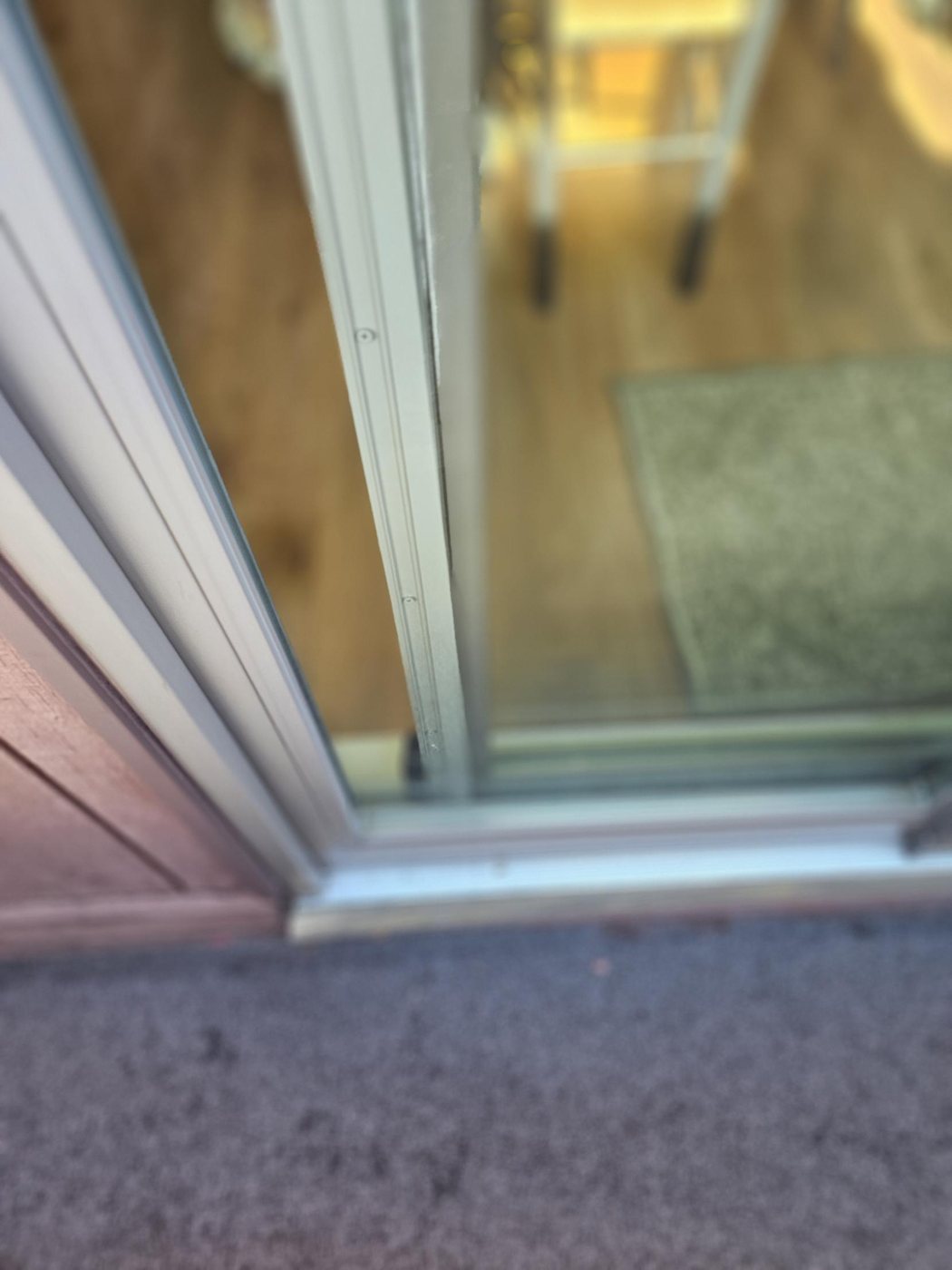
Walk the building with the heat off and a hand held an inch from every frame. Anywhere you feel air, write it down. Then check:
A pre-winter window and door check takes us a morning on a townhouse and a day on a small apartment building: every operable unit latched and adjusted, weatherstrip and sweeps replaced where they are gone, sealant repaired where it has failed, tracks and closers tuned, and a short written list of what should be replaced rather than repaired, with the condensation and leak notes for each unit. For buildings with upper floors we cannot reach from a ladder, the sealant inspection is done by rope access with the window cleaning. To get on the calendar before the cold does, book a visit; the general maintenance service is described under window repair and maintenance.
And change the batteries tonight. That one does not need us.
Once a year, before the heating season; if it was not done this fall, book it now while technicians are available. The visit covers cleaning, combustion, safety controls, relief valve, low-water cutoff or expansion tank, and bleeding or purging the system.
At least once a year; the start of heating season is the easiest date to remember. Test each unit after changing, and replace the whole detector at the age printed on its back, usually ten years for smoke and five to seven for carbon monoxide.
Cold air moving across a gap is what you feel; the gap is there in summer too. Frames also contract in the cold, so a sash that just sealed in October opens a hairline in January. Check latches, weatherstrip and the sealant now.
Standard silicone and polyurethane sealants want the surface above about 40 degrees and dry; below that they skin but do not cure or bond. Low-temperature sealants exist, but November is the last easy window until spring.
No, it is a failed insulated glass unit: the seal has let moisture into the cavity. It does not leak air, but it has lost its insulating value and will not clear. The glass is replaced in the existing frame.
Yes. We check and adjust every operable window and door, replace weatherstrip and sweeps, repair failed sealant, tune sliding tracks and door closers, and give you a short list of what should be replaced rather than repaired.
Window repair and maintenance Drafty sliding door inspection Sealant inspection in hard-to-reach areas Window leak inspection Glass replacement Door cylinder replacement
About this page. Written by Alex GC Inc. d/b/a Alex Glass Construction and reviewed before publication by Aleksandr Chernovolenko, Managing Partner, with our design and estimating lead and a field foreman. Our foremen hold the NYC DOB Site Safety Training supervisor card and our crews the 40-hour worker card; we are certified to fabricate, install and service Alutech and Everest aluminum systems. Facts are drawn from our own projects, manufacturer test data and the applicable codes; where we are giving an opinion, we say so. Last reviewed November 2026. Credentials
A pre-winter window and door check is a morning on a townhouse, a day on a small building. Tell us the address and the number of units.